<div class="ob-main">
    
<div class="ob-section   " style="">
        
<div class="ob-titre titleGrayRed">

<h1></p>
<p>PINCH<em> ANALYSIS</em></p>
<p></h1>
</div><div class="ob-wysiwyg block-wrapped">
  <p>
    </p>
<h2><strong><span class="titre_noir">Minimizing energy consumption of processes with Pinch analysis</span></strong></h2>
<p><span class="normal">Pinch analysis is a methodology for <span class="text-primary"><strong>reducing energy consumption of processes</strong></span> by calculating thermodynamically feasible energy targets (or minimum energy consumption) and achieving them by optimizing heat recovery systems, energy supply methods and process operating conditions. It is also known as &#8220;process integration&#8221;, &#8220;heat integration&#8221;, &#8220;energy integration&#8221; or &#8220;pinch technology&#8221;. Such pinch analysis results in substantial financial savings.</span> The techniques were first developed in the early 1980&#8217;s by teams led by Professor Bodo Linnhoff at University of Manchester (UK). In France, Jean-Paul Gourlia also contributed to popularize this approach with several reference papers on this topic. Many refinements have been developed since and Pinch Analysis has been extended beyond energy applications. Pinch technology has been successfully used in a wide range of industries, including non-chemicals: food industry, paper mill, etc to improve the energy efficiency of the process and reduce the global energy bill.</p>
<h4><span class="normal"> The method is based on thermodynamic principles and allows to determine the best heat exchangers network and utility system.</span></h4>
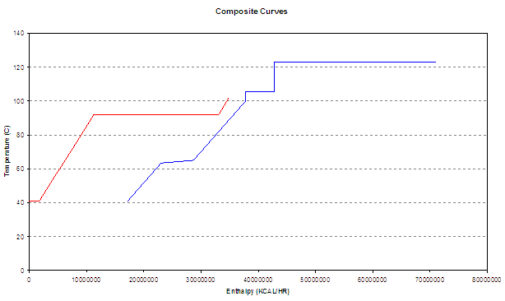
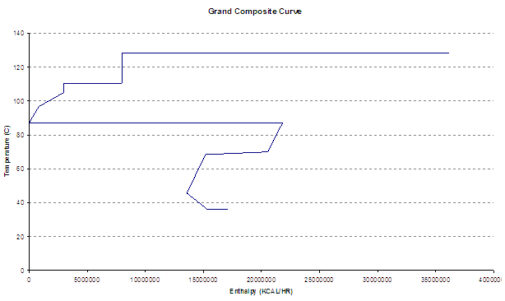
<p><span class="normal">It analyzes possible heat exchanges between <strong>cold streams</strong> (requiring heat) and <strong>hot streams</strong> (releasing heat) in order to minimize irreversibilities. The process data is represented as a set of energy flows, or streams, as a function of heat load (or enthalpy) against temperature. These data are combined for all the streams in the plant to give composite curves, one for all &#8220;hot streams&#8221; (releasing heat) and one for all &#8220;cold streams&#8221; (requiring heat). The point of closest approach between the hot and cold composite curves is the pinch temperature (pinch point or just pinch), and is where design is most constrained. Hence, by finding this point and starting design there, the energy targets can be achieved using heat exchangers to recover heat between hot and cold streams. In practice, during the pinch analysis, cross-pinch exchanges of heat are often found between a stream with its temperature above the pinch and one below the pinch. Removal of those exchanges by alternative matching make the process reach its energy target.</span> <img class="attachement-3464 aligncenter" title="en_pinch_01" src="https://www.prosim.net/wp-content/uploads/2019/11/en_pinch_01-505x301.jpg" alt="Composite curve pinch method. heat exchanger optimization" width="505" height="301" data-wp-editing="1" /> <img class="attachement-3468 aligncenter" title="en_pinch_02" src="https://www.prosim.net/wp-content/uploads/2019/11/en_pinch_02-505x301.jpg" alt="Grand composite curve - pinch analysis in excel" width="505" height="301" /> <strong>Pinch analysis can be used for existing plant retrofit as well as for new plant design.</strong> In process engineering design steps, it stands after the design of reactors and products separation equipment and prior to utility system.</p>
<p><strong>Main advantages of this approach includes:</strong></p>
<ul>
<li>it is mainly a graphical method which allows the engineer to keep a physical approach of involved phenomenon while other optimization techniques are purely numerical;</li>
<li>the energy (or <strong>exergy</strong>) minimization is performed without any knowledge of the heat exchanger network which is designed afterwards;</li>
<li>a very deep knowledge of the analyzed process is not required to apply the method and retrieve substantial savings;</li>
<li>it takes into account the <strong>whole process</strong> or the <strong>whole plant</strong>, providing a systematic approach instead of focusing on a specific unit or equipment;</li>
<li>it is demonstrated that its use can <strong>reduce both capital and operating costs</strong>. Emissions are consequently also minimized.</li>
</ul>
<p>Several software are available on the market to <strong>calculate the energy targets, plot the composite curves, and automatically design the heat exchanger network</strong>. Such functionalities are available in <strong><a href="https://www.prosim.net/en/product/prosimplus-steady-state-simulation-and-optimization-of-processes/">ProSimPlus</a></strong> software and <strong><a href="https://www.prosim.net/en/product/prosimplus-energy-simulation-and-optimization-software-for-energy-efficiency/">ProSimPlus Energy</a></strong> software. However applying this method, in particular for existing plants improvement requires skilled and experienced engineers. It is a typical field where the engineer behind the tool is much more critical than the software itself. Fives ProSim which started this activity in 1992 is among the very few team which have gained such experience.</p>
<p><strong>For many years now, Fives ProSim engineers perform pinch analysis, on various processes in various industries</strong>.</p>
<p>  </p>
</div></div>

    <svg preserveAspectRatio="none" class="section-sep section-sepbefore bgsepGreyLight bgGreyDark  " width="100%" height="100%" viewBox="0 0 1276 34" version="1.1" xmlns="http://www.w3.org/2000/svg" xmlns:xlink="http://www.w3.org/1999/xlink" xml:space="preserve" xmlns:serif="http://www.serif.com/" style="fill-rule:evenodd;clip-rule:evenodd;stroke-linecap:round;stroke-linejoin:round;stroke-miterlimit:1.5;"><path d="M0,22.336l390.237,-21.27l885.763,22.374l0,10.56l-1276,0l0,-11.664l0,0Z" style="stroke-width:0.75px;"/></svg>
<div class="ob-section bgGreyDark  " style="">
        <div class="obCtas block-wrapped">
    <h3><p>Learn <strong>more</strong></p></h3>
    <a href="https://www.prosim.net/en/engineering-services/" class="btn btn--primary bgGrey">All services</a>

<a href="https://www.prosim.net/en/software-in-process-simulation-optimization/" class="btn btn--primary bgGrey">All software</a>

<a href="https://www.prosim.net/en/contact-us/" class="btn btn--primary bgRed">Contact us</a>

</div>
</div>

</div>{"id":3289,"date":"2019-10-23T16:38:55","date_gmt":"2019-10-23T14:38:55","guid":{"rendered":"http:\/\/www.prosim.net\/engineering-services\/services-methode-du-pincement\/"},"modified":"2024-12-19T18:04:25","modified_gmt":"2024-12-19T17:04:25","slug":"pinch-analysis","status":"publish","type":"page","link":"https:\/\/www.prosim.net\/en\/engineering-services\/pinch-analysis\/","title":{"rendered":"Pinch analysis methodology"},"content":{"rendered":"\n","protected":false},"excerpt":{"rendered":"","protected":false},"author":8,"featured_media":3449,"parent":1173,"menu_order":0,"comment_status":"closed","ping_status":"closed","template":"","meta":{"_acf_changed":false,"footnotes":"","_links_to":"","_links_to_target":""},"class_list":["post-3289","page","type-page","status-publish","has-post-thumbnail","hentry"],"acf":[],"aioseo_notices":[],"aioseo_head":"\n\t\t<!-- All in One SEO 4.9.9 - aioseo.com -->\n\t<meta name=\"description\" content=\"Methodology for reducing energy consumption of processes by calculating thermodynamically feasible energy targets (or minimum energy consumption)... Pinch technology. Energy efficient heat exchanger network.\" \/>\n\t<meta name=\"robots\" content=\"max-image-preview:large\" \/>\n\t<link rel=\"canonical\" href=\"https:\/\/www.prosim.net\/en\/engineering-services\/pinch-analysis\/\" \/>\n\t<meta name=\"generator\" content=\"All in One SEO (AIOSEO) 4.9.9\" \/>\n\t\t<script type=\"application\/ld+json\" class=\"aioseo-schema\">\n\t\t\t{\"@context\":\"https:\\\/\\\/schema.org\",\"@graph\":[{\"@type\":\"BreadcrumbList\",\"@id\":\"https:\\\/\\\/www.prosim.net\\\/en\\\/engineering-services\\\/pinch-analysis\\\/#breadcrumblist\",\"itemListElement\":[{\"@type\":\"ListItem\",\"@id\":\"https:\\\/\\\/www.prosim.net\\\/en\\\/#listItem\",\"position\":1,\"name\":\"Home\",\"item\":\"https:\\\/\\\/www.prosim.net\\\/en\\\/\",\"nextItem\":{\"@type\":\"ListItem\",\"@id\":\"https:\\\/\\\/www.prosim.net\\\/en\\\/engineering-services\\\/#listItem\",\"name\":\"Engineering Services in Process Simulation\"}},{\"@type\":\"ListItem\",\"@id\":\"https:\\\/\\\/www.prosim.net\\\/en\\\/engineering-services\\\/#listItem\",\"position\":2,\"name\":\"Engineering Services in Process Simulation\",\"item\":\"https:\\\/\\\/www.prosim.net\\\/en\\\/engineering-services\\\/\",\"nextItem\":{\"@type\":\"ListItem\",\"@id\":\"https:\\\/\\\/www.prosim.net\\\/en\\\/engineering-services\\\/pinch-analysis\\\/#listItem\",\"name\":\"Pinch analysis methodology\"},\"previousItem\":{\"@type\":\"ListItem\",\"@id\":\"https:\\\/\\\/www.prosim.net\\\/en\\\/#listItem\",\"name\":\"Home\"}},{\"@type\":\"ListItem\",\"@id\":\"https:\\\/\\\/www.prosim.net\\\/en\\\/engineering-services\\\/pinch-analysis\\\/#listItem\",\"position\":3,\"name\":\"Pinch analysis methodology\",\"previousItem\":{\"@type\":\"ListItem\",\"@id\":\"https:\\\/\\\/www.prosim.net\\\/en\\\/engineering-services\\\/#listItem\",\"name\":\"Engineering Services in Process Simulation\"}}]},{\"@type\":\"Organization\",\"@id\":\"https:\\\/\\\/www.prosim.net\\\/en\\\/#organization\",\"name\":\"Fives ProSim\",\"description\":\"Process simulation software and services - Chemical process engineering\",\"url\":\"https:\\\/\\\/www.prosim.net\\\/en\\\/\",\"telephone\":\"+33562882430\",\"logo\":{\"@type\":\"ImageObject\",\"url\":\"https:\\\/\\\/www.prosim.net\\\/wp-content\\\/uploads\\\/2019\\\/06\\\/logo-blanc.png\",\"@id\":\"https:\\\/\\\/www.prosim.net\\\/en\\\/engineering-services\\\/pinch-analysis\\\/#organizationLogo\",\"width\":113,\"height\":102,\"caption\":\"ProSim - Simulation et optimisation des proc\\u00e9d\\u00e9s industriels\"},\"image\":{\"@id\":\"https:\\\/\\\/www.prosim.net\\\/en\\\/engineering-services\\\/pinch-analysis\\\/#organizationLogo\"},\"sameAs\":[\"https:\\\/\\\/twitter.com\\\/ProSim_Software\",\"https:\\\/\\\/www.youtube.com\\\/c\\\/prosim\",\"https:\\\/\\\/www.linkedin.com\\\/company\\\/prosim\"]},{\"@type\":\"WebPage\",\"@id\":\"https:\\\/\\\/www.prosim.net\\\/en\\\/engineering-services\\\/pinch-analysis\\\/#webpage\",\"url\":\"https:\\\/\\\/www.prosim.net\\\/en\\\/engineering-services\\\/pinch-analysis\\\/\",\"name\":\"Pinch Analysis | Fives ProSim\",\"description\":\"Methodology for reducing energy consumption of processes by calculating thermodynamically feasible energy targets (or minimum energy consumption)... Pinch technology. Energy efficient heat exchanger network.\",\"inLanguage\":\"en-US\",\"isPartOf\":{\"@id\":\"https:\\\/\\\/www.prosim.net\\\/en\\\/#website\"},\"breadcrumb\":{\"@id\":\"https:\\\/\\\/www.prosim.net\\\/en\\\/engineering-services\\\/pinch-analysis\\\/#breadcrumblist\"},\"image\":{\"@type\":\"ImageObject\",\"url\":\"https:\\\/\\\/www.prosim.net\\\/wp-content\\\/uploads\\\/2019\\\/11\\\/Simulis-Pinch-Composite-Curve.png\",\"@id\":\"https:\\\/\\\/www.prosim.net\\\/en\\\/engineering-services\\\/pinch-analysis\\\/#mainImage\",\"width\":977,\"height\":639,\"caption\":\"Pinch analysis - Simulis Pinch Composite Curve in excel. Energy efficient heat exchanger network\"},\"primaryImageOfPage\":{\"@id\":\"https:\\\/\\\/www.prosim.net\\\/en\\\/engineering-services\\\/pinch-analysis\\\/#mainImage\"},\"datePublished\":\"2019-10-23T16:38:55+02:00\",\"dateModified\":\"2024-12-19T18:04:25+01:00\"},{\"@type\":\"WebSite\",\"@id\":\"https:\\\/\\\/www.prosim.net\\\/en\\\/#website\",\"url\":\"https:\\\/\\\/www.prosim.net\\\/en\\\/\",\"name\":\"Fives ProSim\",\"description\":\"Process simulation software and services - Chemical process engineering\",\"inLanguage\":\"en-US\",\"publisher\":{\"@id\":\"https:\\\/\\\/www.prosim.net\\\/en\\\/#organization\"}}]}\n\t\t<\/script>\n\t\t<!-- All in One SEO -->\n\n","aioseo_head_json":{"title":"Pinch Analysis | Fives ProSim","description":"Methodology for reducing energy consumption of processes by calculating thermodynamically feasible energy targets (or minimum energy consumption)... Pinch technology. Energy efficient heat exchanger network.","canonical_url":"https:\/\/www.prosim.net\/en\/engineering-services\/pinch-analysis\/","robots":"max-image-preview:large","keywords":"","webmasterTools":{"miscellaneous":""},"schema":{"@context":"https:\/\/schema.org","@graph":[{"@type":"BreadcrumbList","@id":"https:\/\/www.prosim.net\/en\/engineering-services\/pinch-analysis\/#breadcrumblist","itemListElement":[{"@type":"ListItem","@id":"https:\/\/www.prosim.net\/en\/#listItem","position":1,"name":"Home","item":"https:\/\/www.prosim.net\/en\/","nextItem":{"@type":"ListItem","@id":"https:\/\/www.prosim.net\/en\/engineering-services\/#listItem","name":"Engineering Services in Process Simulation"}},{"@type":"ListItem","@id":"https:\/\/www.prosim.net\/en\/engineering-services\/#listItem","position":2,"name":"Engineering Services in Process Simulation","item":"https:\/\/www.prosim.net\/en\/engineering-services\/","nextItem":{"@type":"ListItem","@id":"https:\/\/www.prosim.net\/en\/engineering-services\/pinch-analysis\/#listItem","name":"Pinch analysis methodology"},"previousItem":{"@type":"ListItem","@id":"https:\/\/www.prosim.net\/en\/#listItem","name":"Home"}},{"@type":"ListItem","@id":"https:\/\/www.prosim.net\/en\/engineering-services\/pinch-analysis\/#listItem","position":3,"name":"Pinch analysis methodology","previousItem":{"@type":"ListItem","@id":"https:\/\/www.prosim.net\/en\/engineering-services\/#listItem","name":"Engineering Services in Process Simulation"}}]},{"@type":"Organization","@id":"https:\/\/www.prosim.net\/en\/#organization","name":"Fives ProSim","description":"Process simulation software and services - Chemical process engineering","url":"https:\/\/www.prosim.net\/en\/","telephone":"+33562882430","logo":{"@type":"ImageObject","url":"https:\/\/www.prosim.net\/wp-content\/uploads\/2019\/06\/logo-blanc.png","@id":"https:\/\/www.prosim.net\/en\/engineering-services\/pinch-analysis\/#organizationLogo","width":113,"height":102,"caption":"ProSim - Simulation et optimisation des proc\u00e9d\u00e9s industriels"},"image":{"@id":"https:\/\/www.prosim.net\/en\/engineering-services\/pinch-analysis\/#organizationLogo"},"sameAs":["https:\/\/twitter.com\/ProSim_Software","https:\/\/www.youtube.com\/c\/prosim","https:\/\/www.linkedin.com\/company\/prosim"]},{"@type":"WebPage","@id":"https:\/\/www.prosim.net\/en\/engineering-services\/pinch-analysis\/#webpage","url":"https:\/\/www.prosim.net\/en\/engineering-services\/pinch-analysis\/","name":"Pinch Analysis | Fives ProSim","description":"Methodology for reducing energy consumption of processes by calculating thermodynamically feasible energy targets (or minimum energy consumption)... Pinch technology. Energy efficient heat exchanger network.","inLanguage":"en-US","isPartOf":{"@id":"https:\/\/www.prosim.net\/en\/#website"},"breadcrumb":{"@id":"https:\/\/www.prosim.net\/en\/engineering-services\/pinch-analysis\/#breadcrumblist"},"image":{"@type":"ImageObject","url":"https:\/\/www.prosim.net\/wp-content\/uploads\/2019\/11\/Simulis-Pinch-Composite-Curve.png","@id":"https:\/\/www.prosim.net\/en\/engineering-services\/pinch-analysis\/#mainImage","width":977,"height":639,"caption":"Pinch analysis - Simulis Pinch Composite Curve in excel. Energy efficient heat exchanger network"},"primaryImageOfPage":{"@id":"https:\/\/www.prosim.net\/en\/engineering-services\/pinch-analysis\/#mainImage"},"datePublished":"2019-10-23T16:38:55+02:00","dateModified":"2024-12-19T18:04:25+01:00"},{"@type":"WebSite","@id":"https:\/\/www.prosim.net\/en\/#website","url":"https:\/\/www.prosim.net\/en\/","name":"Fives ProSim","description":"Process simulation software and services - Chemical process engineering","inLanguage":"en-US","publisher":{"@id":"https:\/\/www.prosim.net\/en\/#organization"}}]}},"aioseo_meta_data":{"post_id":"3289","title":"Pinch Analysis | #site_title","description":"Methodology for reducing energy consumption of processes by calculating thermodynamically feasible energy targets (or minimum energy consumption)... Pinch technology. Energy efficient heat exchanger network.","keywords":null,"keyphrases":{"focus":{"keyphrase":"pinch analysis ","score":91,"analysis":{"keyphraseInTitle":{"score":9,"maxScore":9,"error":0},"keyphraseInDescription":{"score":3,"maxScore":9,"error":1},"keyphraseLength":{"score":9,"maxScore":9,"error":0,"length":2},"keyphraseInURL":{"score":5,"maxScore":5,"error":0},"keyphraseInIntroduction":{"score":9,"maxScore":9,"error":0},"keyphraseInSubHeadings":{"score":9,"maxScore":9,"error":0},"keyphraseInImageAlt":{"score":9,"maxScore":9,"error":0},"keywordDensity":{"type":"best","score":9,"maxScore":9,"error":0}}},"additional":[]},"primary_term":null,"canonical_url":null,"og_title":null,"og_description":null,"og_object_type":"default","og_image_type":"default","og_image_url":null,"og_image_width":null,"og_image_height":null,"og_image_custom_url":null,"og_image_custom_fields":null,"og_video":"","og_custom_url":null,"og_article_section":null,"og_article_tags":null,"twitter_use_og":false,"twitter_card":"default","twitter_image_type":"default","twitter_image_url":null,"twitter_image_custom_url":null,"twitter_image_custom_fields":null,"twitter_title":null,"twitter_description":null,"schema":{"blockGraphs":[],"customGraphs":[],"default":{"data":{"Article":[],"Course":[],"Dataset":[],"FAQPage":[],"Movie":[],"Person":[],"Product":[],"ProductReview":[],"Car":[],"Recipe":[],"Service":[],"SoftwareApplication":[],"WebPage":{"id":"aioseo-web-page-634ebc3fe3d1f","slug":"web-page","graphName":"WebPage","label":"Web Page","properties":{"type":"WebPage","name":"","description":""}}},"graphName":"WebPage","isEnabled":true},"graphs":[]},"schema_type":"default","schema_type_options":"{\"article\":{\"articleType\":\"BlogPosting\"},\"course\":{\"name\":\"\",\"description\":\"\",\"provider\":\"\"},\"faq\":{\"pages\":[]},\"product\":{\"reviews\":[]},\"recipe\":{\"ingredients\":[],\"instructions\":[],\"keywords\":[]},\"software\":{\"reviews\":[],\"operatingSystems\":[]},\"webPage\":{\"webPageType\":\"WebPage\"}}","pillar_content":false,"robots_default":true,"robots_noindex":false,"robots_noarchive":false,"robots_nosnippet":false,"robots_nofollow":false,"robots_noimageindex":false,"robots_noodp":false,"robots_notranslate":false,"robots_max_snippet":"-1","robots_max_videopreview":"-1","robots_max_imagepreview":"large","priority":null,"frequency":"default","location":null,"local_seo":null,"breadcrumb_settings":null,"limit_modified_date":false,"ai":null,"created":"2021-01-28 16:25:16","updated":"2024-12-19 17:04:25","seo_analyzer_scan_date":null},"_links":{"self":[{"href":"https:\/\/www.prosim.net\/en\/wp-json\/wp\/v2\/pages\/3289","targetHints":{"allow":["GET"]}}],"collection":[{"href":"https:\/\/www.prosim.net\/en\/wp-json\/wp\/v2\/pages"}],"about":[{"href":"https:\/\/www.prosim.net\/en\/wp-json\/wp\/v2\/types\/page"}],"author":[{"embeddable":true,"href":"https:\/\/www.prosim.net\/en\/wp-json\/wp\/v2\/users\/8"}],"replies":[{"embeddable":true,"href":"https:\/\/www.prosim.net\/en\/wp-json\/wp\/v2\/comments?post=3289"}],"version-history":[{"count":23,"href":"https:\/\/www.prosim.net\/en\/wp-json\/wp\/v2\/pages\/3289\/revisions"}],"predecessor-version":[{"id":12695,"href":"https:\/\/www.prosim.net\/en\/wp-json\/wp\/v2\/pages\/3289\/revisions\/12695"}],"up":[{"embeddable":true,"href":"https:\/\/www.prosim.net\/en\/wp-json\/wp\/v2\/pages\/1173"}],"wp:featuredmedia":[{"embeddable":true,"href":"https:\/\/www.prosim.net\/en\/wp-json\/wp\/v2\/media\/3449"}],"wp:attachment":[{"href":"https:\/\/www.prosim.net\/en\/wp-json\/wp\/v2\/media?parent=3289"}],"curies":[{"name":"wp","href":"https:\/\/api.w.org\/{rel}","templated":true}]}}